Is Creatine Right for You? What You Should Know Before You Take It
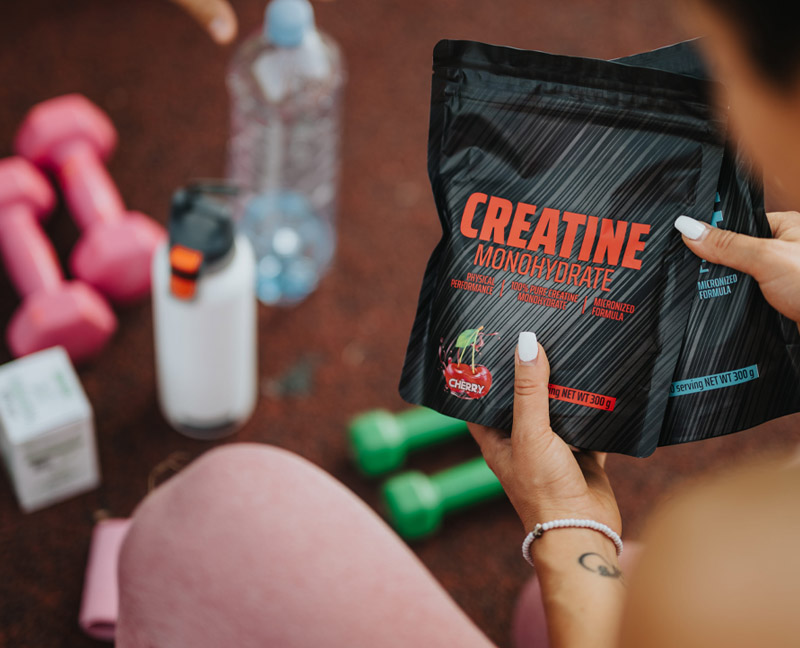
Whether it’s promoted by fitness influencers on social media or recommended by a workout partner at the gym, creatine has become one of today’s most popular sports supplements. While it’s often associated with building muscle and improving athletic performance, Scott Warren, PharmD, Ambulatory Care Pharmacist with Shore Physicians Group, says creatine isn’t something everyone should take without first understanding how it works.
Creatine is a naturally occurring compound your body produces on its own and also gets from protein rich foods such as meat, fish, beans, and nuts. It serves as one of the building blocks muscles use to produce energy during short bursts of high intensity activity, such as weightlifting or sprinting.
“When you’re exercising and breaking down muscle, your body rebuilds it stronger,” Warren explained. “Creatine provides part of the building material needed for that process.” For people who regularly strength train, a creatine supplement may help support muscle growth, improve workout performance, and aid recovery between workouts.
But Warren cautions that doesn’t mean everyone will benefit. “If you’re not exercising and putting those muscles to work, taking creatine doesn’t really have a purpose,” he said. “You’re simply giving your body more than it needs, and your kidneys have to process and eliminate the excess.”
One of the biggest misconceptions Warren hears is that creatine is harmful to healthy kidneys. Research has shown that standard doses of creatine are generally safe for healthy adults. However, people with kidney disease, uncontrolled diabetes, or other underlying health conditions should talk with their healthcare provider before taking it. Staying well hydrated is also important because adequate water helps the kidneys process creatine efficiently.
Warren is even more cautious about combination products that mix creatine with pre workout formulas. Many of those products contain stimulants, including caffeine, that can contribute to dehydration.
“If you’re taking creatine, choose a product that’s just creatine,” Warren said. “The more ingredients that are added, the harder it is to know exactly what you’re putting into your body.”
He also reminds consumers that dietary supplements are not regulated as strictly as prescription medications. Independent testing has found that some products contain different ingredients or dosages than what appears on the label, making it important to choose well established, reputable manufacturers.
Warren’s advice is straightforward. If you exercise regularly, choose a quality creatine product, follow the recommended dose, and drink plenty of water, it can be a reasonable supplement for many healthy adults. But before starting creatine or any other supplement, have a conversation with your healthcare provider to make sure it’s appropriate for your health needs and fitness goals.
Scott Warren, PharmD, sees patients at Shore Physicians Group’s offices at 401 Bethel Road, Somers Point, and 2605 Shore Road, Northfield. To schedule an appointment, call 609-365-5300.
