Blood Clots: What you need to know about the warning signs, risks and treatment
Recent media coverage of Philadelphia Eagles quarterback Jalen Hurts’ blood clot condition has brought greater attention to a potentially dangerous health issue that can affect anyone, including healthy athletes. Understanding the warning signs and seeking prompt treatment can make a significant difference.
According to Matthew W. Lawrence, DO, FACS, FACOS, a vascular surgeon with Shore Physicians Group, blood clots are part of the body’s natural defense system. Clotting helps stop bleeding after an injury, but problems arise when clots form inside blood vessels where they aren’t needed. A deep vein thrombosis (DVT) occurs when a clot develops in a deep vein, most commonly in the leg.
DVT symptoms can vary, and some people experience no noticeable symptoms. For others, warning signs include swelling, pain or tenderness resembling a muscle cramp, heaviness or aching in the affected limb, redness or discoloration, and warmth around the area.
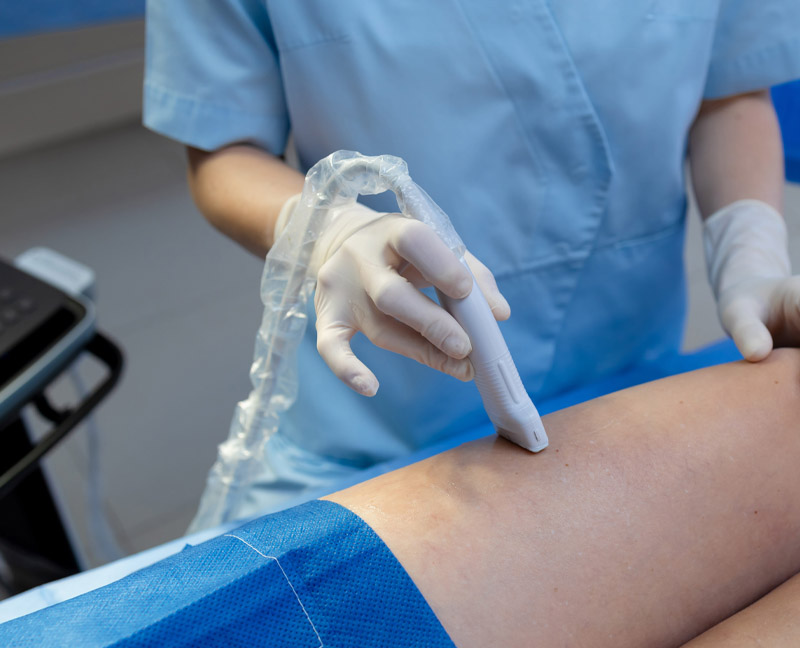
Because these symptoms can resemble other conditions, including skin infections, proper diagnosis is important. Dr. Lawrence recommends an ultrasound when a blood clot is suspected. The painless test involves no radiation and typically takes 10 to 20 minutes. Vascular ultrasound services are available at Shore Medical Center and the Vascular Lab at 649 Shore Road in Somers Point.
Without treatment, a blood clot can continue growing, blocking blood flow through the affected vein. More concerning, a piece can break away and travel to the lungs, causing a pulmonary embolism, a potentially life-threatening condition. Symptoms include sudden shortness of breath and chest pain, requiring immediate emergency medical attention.
Fortunately, dr. Lawrence says most DVTs can be treated with anticoagulant medications, commonly known as blood thinners. One common misconception is that these medications dissolve existing clots. Instead, they help prevent clots from growing and reduce the risk of complications while the body’s natural processes gradually break down the existing clot, often over three to six months.
Most patients can be treated with oral medication without hospitalization. For those experiencing significant swelling and discomfort, Dr. Lawrence sometimes performs a minimally invasive procedure using a catheter to remove clot material and potentially provide faster symptom relief.
Several factors increase the likelihood of developing blood clots, including recent surgery, injury, cancer, pregnancy, certain medications, inherited clotting disorders and prolonged inactivity. Even healthy athletes can develop clots. Dr. Lawrence notes that dehydration, injuries and extended periods of sitting, including lengthy airplane flights, can contribute to the risk.
While some risk factors cannot be controlled, there are practical steps people can take to reduce their risk. Dr. Lawrence emphasizes staying active, maintaining adequate hydration and avoiding prolonged periods of inactivity, particularly when traveling or recovering from surgery. A healthy diet and regular exercise also support overall vascular health, although no particular vitamin, supplement or food guarantees prevention.
The most important message, Dr. Lawrence says, is recognizing symptoms early and seeking prompt evaluation. With timely diagnosis and appropriate treatment, most patients recover well.
For more information or to schedule an appointment with Dr. Matthew Lawrence at Shore Physicians Group, call 609-365-6239. The Shore Physicians Group Vascular Surgery office is located at 155 Medical Center Way, 1st Floor, in Somers Point, and is open Monday through Friday, 8 a.m. to 4 p.m.
