What Is Alpha-gal Syndrome? Understanding the Allergy Linked to Tick Bites
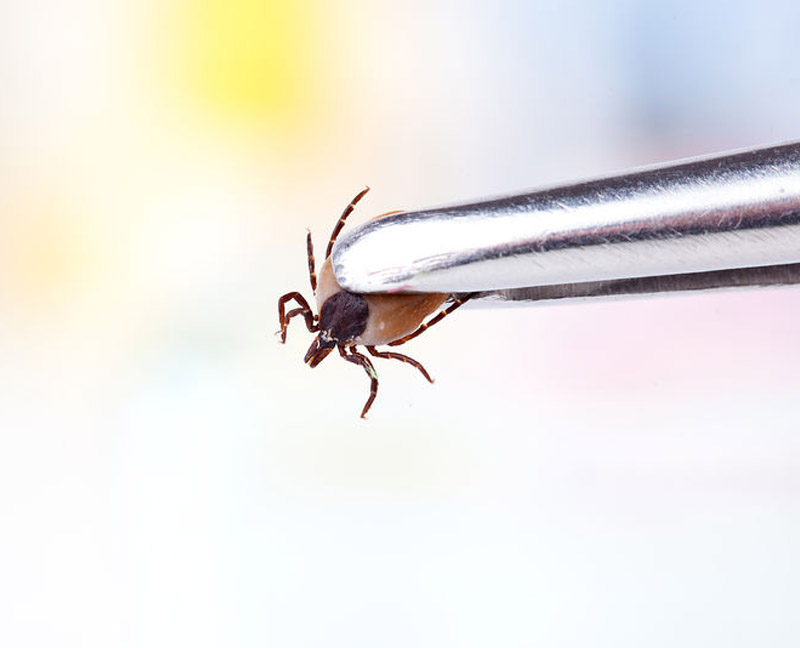
Many people in New Jersey are familiar with Lyme disease and other illnesses that can be spread by ticks. But there is another condition connected to tick bites that many people have never heard of. Instead of causing a bacterial infection, this condition can trigger a food allergy that affects how a person eats and lives every day.
The condition is called alpha gal syndrome. It is an allergy that can develop after a bite from a lone star tick and causes the body to react to a sugar molecule called galactose alpha one three galactose, commonly known as alpha gal. This molecule is found in most mammals, including cows, pigs, lamb and deer. Humans do not naturally produce it, so when the immune system becomes sensitized to it, the body may treat it as a threat.
One South Jersey resident who experienced this firsthand is Andrew Willson of Atco. An avid outdoorsman who enjoys hunting, fishing and spending time in wooded areas, Wilson had been dealing with persistent joint pain and physical discomfort for years. At first, he believed the aches were simply the result of an active life that included years of physically demanding work in law enforcement and the fire service.
When the discomfort began affecting his daily activities, Willson sought care from Dr. Marlene Rodriguez, a primary care physician with Shore Physicians Group. After reviewing his symptoms and medical history, Dr. Rodriguez ordered a series of tests that included screening for alpha gal syndrome. The results showed that Wilson had developed the allergy. Once he adjusted his diet and began avoiding red meat and other mammal derived foods, many of the symptoms that had been bothering him improved significantly.
Alpha gal syndrome begins when a lone star tick feeds on mammals that contain the alpha gal molecule and then bites a human. During the bite, traces of the molecule can enter the bloodstream. In some individuals the immune system responds by creating antibodies to alpha gal. Once those antibodies are present, eating foods that contain the molecule can trigger an allergic reaction.
One of the unusual aspects of alpha gal syndrome is that symptoms often appear hours after eating, rather than immediately as with most food allergies. Reactions commonly occur three to six hours after consuming red meat or other mammal derived products. Because of this delay, people may not realize their symptoms are connected to something they ate earlier in the day.
Symptoms can vary widely from person to person. Some individuals experience digestive problems such as stomach pain, nausea or diarrhea. Others may develop hives, itching or swelling. Some patients report fatigue or joint pain. In more serious cases the reaction can lead to anaphylaxis, a potentially life-threatening allergic response that affects breathing and blood pressure.
Foods that commonly trigger symptoms include beef, pork, lamb and venison. Products made from mammals, such as gelatin, broths or certain medications that contain animal-based ingredients, may also cause reactions in some people. For that reason, patients with alpha gal syndrome often learn to carefully read labels and ask questions about ingredients.
Fortunately, many foods remain safe. Poultry, fish, eggs, fruits, vegetables and plant-based foods do not contain the alpha gal molecule and are generally well tolerated. Managing the condition typically involves avoiding mammal-based foods and being aware of hidden ingredients that could trigger a reaction.
In some cases, doctors recommend that patients carry an epinephrine auto injector, commonly known as an EpiPen, in case a severe allergic reaction occurs. Although Willson has never needed to use his EpiPen, carrying it offers peace of mind for both him and his wife, Diane Casey, knowing that treatment is available if an emergency were ever to happen.
Because alpha gal syndrome is still relatively unfamiliar to many people, it is often underdiagnosed. Awareness of the condition is increasing as more physicians recognize the link between tick bites and the unusual allergy. For individuals who spend time outdoors where ticks are common, understanding the symptoms and seeking medical evaluation when unexplained reactions occur can help lead to earlier diagnosis and treatment.
The contents of this article have been reviewed by Dr. Marlene Rodriguez, primary care physician, who treats patients at Shore Physicians Group office located at 2605 Shore Road in Northfield, NJ.
