Go Green for Your Health: Simple Ways to Sneak More Greens into Your Diet
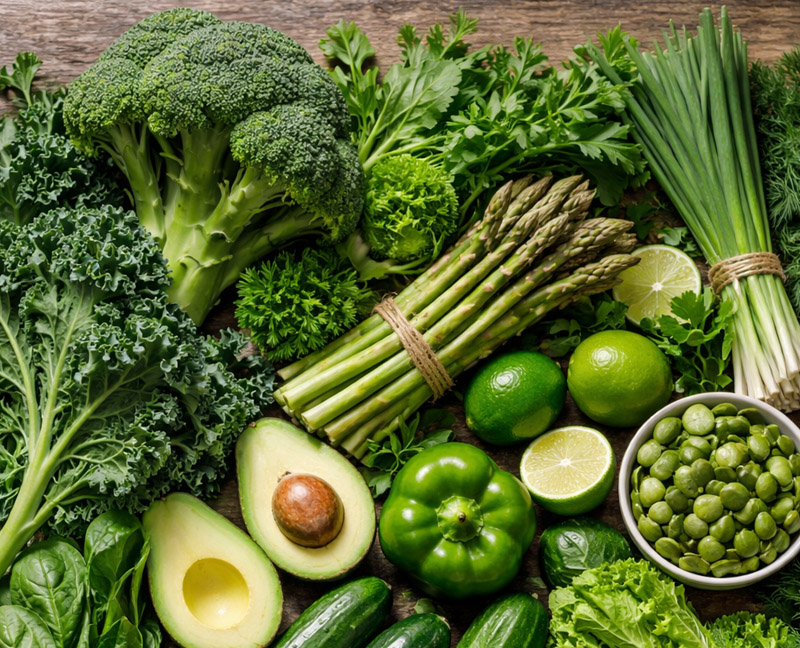
March is National Nutrition Month, making it a great time to take a closer look at one of the most powerful foods you can include in your diet: leafy greens. While St. Patrick’s Day may have passed, the “green” theme is still worth celebrating—especially when it comes to improving your health.
According to Tiffany Rios, RD, CDE, with the Shore Physicians Group Endocrinology Division, leafy greens such as spinach, kale, arugula, and broccoli are among the most nutrient-dense foods available and can make a meaningful difference in overall health.
“Greens are some of the most nutrient-dense foods on the planet,” Rios says. “They provide fiber, essential micronutrients, and compounds that support long-term health.”
These vegetables are rich in vitamin K, folate, magnesium, potassium, iron, and antioxidants, which play important roles in the body. Vitamin K supports bone health and blood clotting, while folate helps produce healthy red blood cells and supports DNA synthesis. Magnesium helps regulate blood sugar and maintain healthy blood pressure.
Adding just one extra serving of greens each day can support digestion, improve nutrient intake, and help protect long-term health.
One simple way to boost nutrition is by adding greens to sauces you already cook with. Spinach, kale, or finely diced zucchini can be blended into red pasta sauce, making it more nutrient-dense without dramatically changing the flavor.
Greens can also be incorporated into pesto. Traditional pesto includes basil, olive oil, garlic, Parmesan cheese, and pine nuts, but adding spinach, kale, or arugula provides additional vitamins and minerals.
Rios recommends sautéing or roasting vegetables before adding them to sauces. Cooking them with a little olive oil enhances flavor and helps the body absorb fat-soluble nutrients like vitamin K.
Smoothies are another easy way to increase your daily greens intake.
Rios suggests a quick smoothie that includes spinach, frozen zucchini, frozen berries, almond milk, and protein powder or Greek yogurt.
“Spinach blends well and almost disappears in a smoothie,” she says. “You’re getting nutrients like folate and magnesium without really noticing it.”
Another creative option is mixing vegetables directly into proteins like burgers or omelets. Rios recommends grating zucchini and mixing it into a chicken, turkey, or beef burger along with spinach, egg, breadcrumbs, onion, and bell pepper.
The shredded zucchini helps the burger retain moisture, creating a juicy patty while adding extra nutrients.
“Small changes—like blending greens into smoothies or adding them to sauces—can make it easier to include vegetables regularly,” Rios says. “Over time, those small changes can make a meaningful difference in your overall nutrition.”
Recipe: Spinach Chicken Burgers
These flavorful burgers are a great way to combine lean protein with nutrient-rich greens.
Ingredients
- 1–1.2 lbs ground chicken
- 1 cup frozen spinach, thawed and drained
- ½ cup breadcrumbs
- 1 egg
- 1 tbsp Dijon mustard
- 1 shallot, finely diced
- 1 tsp garlic powder
- ½ tsp salt
- ½ tsp black pepper
- Olive oil
Directions
- Preheat oven to 400°F and line a baking sheet with parchment paper.
- In a bowl, combine ground chicken, breadcrumbs, egg, mustard, shallot, spinach, and seasonings. Mix until combined.
- Form into 6 patties and place on the baking sheet.
- Drizzle lightly with olive oil and bake for 18 minutes, flipping halfway through.
- Broil for 2 minutes to brown before serving.
Tiffany Rios, RD, CDE, is a Registered Dietitian and Certified Diabetes Educator with Shore Physicians Group’s Endocrinology Division at 18 West New York Avenue, Somers Point, NJ. She offers nutrition counseling for people with a wide range of conditions and needs, including celiac disease, diabetes, and more. To schedule an appointment, call 609-365-5300.
